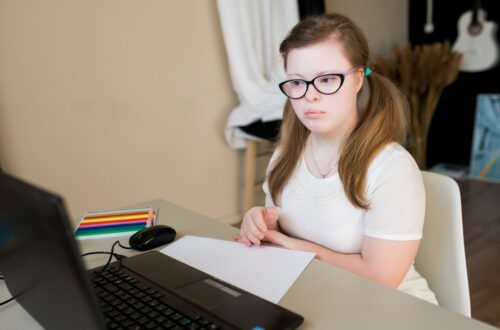
Childrens Learning Through Play
Play-based learning is a powerful tool that can unlock a child’s full potential. From developing critical thinking and problem-solving skills to building social skills and emotional development – there are countless benefits to children playing in their everyday lives. In this paper, we will explore the importance of play-based learning and how it can help children tap into all areas of their development. We will look at how play encourages children to think critically, develop positive relationships with others, build self-confidence and resilience, grow emotionally, and develop motor skills. So let’s get ready to explore the magical world of play-based learning!
Definition of Play-Based Learning
Play-based learning is an approach to teaching and learning that focuses on the use of play as a way to facilitate cognitive skills, physical, social, and emotional development. It centers on allowing children to explore their environment in a natural, hands-on manner, encouraging them to learn through purposeful play activities. Through this type of learning, children can develop higher-order thinking skills such as problem-solving and critical thinking while also developing social skills such as cooperation and communication. Play-based learning also encourages creativity and imagination while helping children understand themselves better. By engaging in play-based learning activities with others, children can learn to resolve conflicts peacefully, build relationships, and become more independent.
Play-based learning offers a great way to engage children in the learning process while helping them develop into well-rounded individuals. With its focus on creative play and independent exploration, it allows children to learn and grow in a safe, supportive environment. Now that you know more about this type of learning, let’s look at some of the specific benefits that come with it!

Benefits of Play-Based Learning
Play-based learning can offer a variety of benefits for children’s development. Research has shown that play-based learning supports the development of motor skills, cognitive abilities, and language abilities in young children. Through play, children can develop their physical coordination, problem-solving skills, and communication skills. It also helps to promote healthy emotional growth by allowing children to freely express their feelings in a safe environment.
Play-based learning also provides opportunities for socialization and cooperation with others. Children learn how to interact with each other while developing collaboration skills as they work on projects or activities together. Through play, they can learn how to recognize emotions in themselves and others which will help them develop empathy. Play-based learning also helps encourage creativity as it allows children to explore their ideas in different ways.
Overall, play-based learning offers a wide range of benefits for children’s development that cannot be achieved through traditional classroom instruction alone. By providing an engaging environment filled with creative activities and opportunities for social interaction, it offers an effective way for children to learn important skills while having fun at the same time!
Critical Thinking and Problem Solving Through Play
Critical thinking and problem-solving are important skills for children to develop as they grow up. Play-based learning offers an effective way for children to learn these skills. Through creative activities, children can practice critical thinking by making independent decisions, exploring their ideas and solutions, and considering different perspectives. Problem-solving can also be learned through play by allowing children to experiment with materials, collaborate with others to create solutions, practice trial-and-error methods, and use their imaginations to come up with creative solutions.
By providing a safe environment where mistakes can be made without fear of judgment or punishment, play-based learning allows children to take risks to find the best solution. It also encourages collaboration between peers as they discuss possible outcomes and work together towards a common goal. In addition, it helps build resilience as children learn how to manage their emotions when faced with challenges.
Overall, play-based learning is an effective way for children to develop critical thinking and problem-solving skills while having fun at the same time!

Social Skills, Emotional Development, and Motor Skills Through Play
Play-based learning is an essential tool for helping children to develop their social skills, emotional development, and motor skills. Through creative activities, children can practice collaboration with peers as they work together towards a common goal. These activities also encourage children to think critically and brainstorm solutions to problems. Moreover, physical activities such as tag or catch help children strengthen their motor skills while having fun with friends!
By providing a safe environment where mistakes can be made without fear of judgment or punishment, play-based learning allows children to take risks to find the best solution. This helps them grow emotionally by managing different emotions when faced with challenges and promoting healthy relationships with others. Furthermore, it helps build self-confidence as children learn how to express themselves and interact with others in social settings.
Overall, play-based learning is an effective way for children to develop their social skills, emotional development, and motor skills while having fun at the same time!

Social Skills Through Play
Play-based learning is an essential tool for helping children to develop their social skills and build healthy relationships with others. Through activities such as tag or catch, children can practice collaboration with peers as they work together towards a common goal. These activities encourage children to think critically and brainstorm solutions to problems, helping them to grow emotionally by managing different emotions when faced with challenges. Furthermore, it helps build self-confidence as children learn how to express themselves and interact with others in social settings.
In addition, play-based learning provides a safe environment where mistakes can be made without fear of judgment or punishment. By taking risks to find the best solution, children learn important lessons that will help them throughout life. Overall, play-based learning is an effective way for children to develop their social skills while having fun at the same time!
By engaging in play-based learning activities, children can develop social skills that will carry them throughout life. Now let’s explore how we can use these same activities to foster positive relationships with peers!

Developing Positive Relationships
Developing positive relationships with peers is an important part of a child’s social development and can be encouraged through play-based learning activities. Through cooperative games such as tag or catch, children learn to work together towards a common goal while developing their communication skills. These activities allow children to express themselves in a safe environment without fear of judgment or punishment, and by taking risks they can learn from mistakes and grow emotionally. Additionally, these activities help build self-confidence, as children learn how to interact with others in social settings and manage different emotions when faced with challenges. By engaging in play-based learning, children can develop positive relationships with peers that will carry them into adulthood.
Developing Communication Skills
Developing communication skills is an important part of a child’s development, and play-based learning activities can be used to help foster these abilities. Through games such as charades or pretend play, children learn how to express themselves in creative ways while developing their verbal and nonverbal language skills. These types of activities also allow children to learn how to interpret others’ body language and facial expressions, which can give them insight into how someone else may be feeling. Additionally, by engaging in conversations with peers during these activities, children can practice their listening skills and build upon their understanding of social context. By participating in play-based learning activities that encourage communication, children can develop the fundamental skills necessary for successful relationships in adulthood.
Understanding Emotions and Coping Strategies
The development of emotional literacy is essential for children to develop the ability to understand and manage their emotions. Through play-based learning activities, children can gain an understanding of different emotions and learn how to cope with them. For instance, role-playing activities can help teach children how to identify different emotions in themselves and others, as well as provide them with strategies for dealing with difficult feelings. Additionally, problem-solving tasks such as board games or puzzles can give children the opportunity to practice skills such as impulse control and decision-making in a safe environment. Finally, by providing constructive feedback during these activities, adults can help foster emotional intelligence in children while helping them build the skills they need to cope with life’s challenges. By engaging in play-based learning activities that focus on emotional literacy, children can learn how to effectively manage their feelings and build resilience for the future.

Navigating Social Settings
Navigating social settings can be a daunting task for children, as they often lack the skills and experience to effectively handle different situations. Through play-based learning activities, however, children can learn how to navigate social situations with confidence. For example, role-playing activities can help children practice how to interact with others in various scenarios. In addition, cooperative games such as team sports or board games can provide children with the opportunity to develop their communication and teamwork skills while also learning important values such as respect for others. Finally, participating in group discussions about topics related to social interactions (e.g., respectful communication) can help children gain an understanding of different aspects of social dynamics. By engaging in playful yet educational activities that focus on developing social skills, children will gain the ability to confidently navigate any social setting.
Building Self-Confidence and Self-Esteem
Building self-confidence and self-esteem are key components of healthy child development. Through play-based learning activities, children can learn how to strengthen these important qualities. For instance, games that involve positive reinforcement such as positive affirmations or goal setting can help boost a child’s confidence and encourage them to set goals for themselves. Additionally, providing children with opportunities to try new things and make mistakes without fear of judgment can help them become more comfortable with failure as an inevitable part of children’s learning and growth. Furthermore, recognizing successes in small steps and celebrating achievements can reinforce self-confidence and self-esteem by showing the child that their efforts have been noted and valued. Finally, engaging in physical activities like sports or outdoor recreation can also help foster feelings of accomplishment and increase confidence levels in children. By engaging in playful yet educational activities that focus on developing personal skills, children will gain the ability to build their self-confidence and self-esteem.

Emotional Development Through Play
Play-based learning can provide children with a unique opportunity to develop their emotional intelligence. Through interactive activities, such as role play and storytelling, children can learn how to express their feelings in a safe and supportive environment. Additionally, activities that encourage collaboration between peers can help foster social relationships and teach children how to respect each other’s perspectives while working towards common goals. Furthermore, allowing children to make decisions through play can help them develop problem-solving skills, as well as build confidence in their capabilities. Finally, engaging in imaginative activities such as arts and crafts or playing pretend can be an effective way for children to explore their emotions without feeling judged by others. By providing space for exploration through play-based learning, children will gain the ability to better understand their feelings and the feelings of those around them.
Play-based learning can be a powerful tool for helping children develop the skills they need to better understand their feelings and those of others. By providing a safe space for exploration, children can gain confidence, build relationships, and learn how to express themselves in meaningful ways. But understanding our emotions isn’t something that comes naturally to everyone; next, let’s explore how we can support children in developing an understanding of their feelings.
Understanding Feelings
Children need to develop an understanding of their feelings to ensure healthy emotional development. As adults, we can help foster this understanding by providing a safe and supportive space for children to express their emotions. We can also use play-based activities such as role play and storytelling to provide opportunities for exploration and self-expression. Additionally, engaging in activities that encourage collaboration between peers will help children build relationships and learn how to respect each other’s perspectives. Finally, allowing children to make decisions through play can help them develop problem-solving skills as well as gain confidence in their capabilities. By providing these types of opportunities through play-based learning, children will be better equipped to understand and manage their emotions healthily.

Expressing Feelings in Appropriate Ways
Children need to learn how to express their feelings appropriately. Teaching children the importance of expressing their thoughts and emotions respectfully helps them build healthy relationships and communicate effectively with those around them. As adults, we can promote this by modeling the behaviors we want to see in our children and providing positive reinforcement when they use these skills. Additionally, engaging in activities that encourage collaboration between peers will help children build relationships and develop empathy toward others. Finally, allowing children to make decisions through play can also help them learn how to express themselves assertively while respecting the thoughts and feelings of others. By providing these types of opportunities through play-based learning, children will be better equipped to understand and manage their emotions healthily.
Building Resilience Through Challenging Experiences
Children often face a variety of challenges throughout their lives, from difficult emotional situations to complex academic tasks. Building resilience through challenging experiences is an important part of healthy child development and can help children cope with future difficulties. Parents and caregivers can promote resilience in children by providing them with opportunities to explore their environment and experiment with different solutions to problems. This can help them develop perseverance and confidence as they learn how to manage adversity. Additionally, providing support when things don’t go as planned will teach them that failure is not the end but rather an opportunity for growth. Through positive reinforcement, parents and caregivers can help children build the skills needed to overcome obstacles without fear or hesitation. By helping children develop resilience through challenging experiences, we can equip them with the tools they need to become successful and independent adults.
Motor Skills Through Play
Motor skills are essential for a child’s development, and play is an excellent way to help children develop these skills. Through playing activities such as running, jumping, climbing, and throwing, children can strengthen their physical coordination and accuracy. Playing games with balls or other objects helps to develop hand-eye coordination and fine motor skills. Engaging in physical activities also allows children to explore the world around them, enhancing their spatial awareness and problem-solving abilities. Additionally, playing with peers develops social behaviors such as cooperation, teamwork, and communication. By providing play opportunities that encourage physical activity, parents and caregivers can help children acquire the motor skills needed for success in various aspects of life.
Play is a crucial part of childhood development, providing countless physical and social benefits that will benefit your child for years to come. With the right activities, parents can help their children gain the motor skills needed to thrive in life. Get ready to learn more about gross motor skill development – an essential component of any child’s healthy growth!

Gross Motor Skill Development
Gross motor skills are an important part of a child’s development. These skills include activities such as running, jumping, climbing, and throwing. Gross motor skill development is essential for a child to build physical strength, coordination, and accuracy. Through play-based activities that involve physical movement, children can learn to explore their environment and develop problem-solving abilities. Games such as tag or ball games help to develop hand-eye coordination and fine motor skills in addition to promoting social behaviors like cooperation, sharing, and communication. Parents can help children gain gross motor skills by providing them with play opportunities both indoors and outdoors that encourage physical activity. Parents need to keep in mind that these activities should be safe and age-appropriate for children to benefit from them the most. By giving their children the resources needed for gross motor skill development through play, parents can ensure their child has the foundation necessary for success later on in life.
Fine Motor Skill Development
Fine motor skills are an important part of a child’s development, as they involve the coordination and accuracy of small muscle movements. These skills include activities such as handwriting, cutting, threading, and drawing. Fine motor skill development is essential for a child to build dexterity, precision, and problem-solving abilities. Through play-based activities that involve small objects such as beads or buttons, children can learn to manipulate objects with their hands and develop concentration and focus. Parents can help children gain fine motor skills by providing them with opportunities for play both indoors and outdoors that encourage manipulative activities. It is important for parents to keep in mind that these activities should be safe and age-appropriate for children to benefit from them the most. By giving their children the resources needed for fine motor skill development through play, parents can ensure their child has the foundation necessary for success later on in life.
Cognitive Development Through Play
Cognitive development through play is an important part of a child’s development. Play helps children to explore the world around them, process information, and build problem-solving skills. Through play, children can develop their language and communication skills as well as their ability to think abstractly and reason logically. By engaging in play that encourages exploration and discovery, children can strengthen their cognitive abilities which will serve them throughout life.
Parents can ensure their child develops cognitively by providing activities that involve exploring the environment such as building blocks or puzzles. These activities help to build concentration, attention span, and problem-solving skills while also providing opportunities for creativity and imagination. Additionally, games such as memory matching or board games provide great cognitive stimulation while being fun at the same time.
It is also important for parents to foster creative thinking in their children through play-based activities that allow children to express themselves freely without judgment or criticism. This allows children the opportunity to practice self-expression and gain insight into how they think and feel about different topics which can lead to strong cognitive development over time.
In conclusion, cognitive development through play is an integral part of a child’s growth and can be encouraged through activities that foster exploration, problem-solving, and creative thinking. By providing these opportunities for their children, parents can help their little ones gain the skills needed to succeed in life. Stay tuned for our next article exploring how Language Acquisition and Literacy Development can aid in cognitive development!

Language Acquisition and Literacy Development
Language acquisition and literacy development are essential skills that can help children succeed in life. Learning to read and write is a complex process that involves understanding the sounds of language, the structure of language, how words combine to create meaning, and how to process information through reading. Early literacy skills begin developing before formal instruction is introduced; therefore it is important to provide a variety of activities that can help children build these skills.
One way to promote language acquisition and literacy development is by reading aloud to your child as often as possible. Reading exposes them to new words, concepts, and stories while also allowing them time to practice their listening skills. Additionally, providing opportunities for conversation helps children develop their expressive language which will be beneficial when they begin learning more formal forms of communication such as writing.
It’s also important for parents to encourage their children’s creativity and imagination through play-based activities such as pretend play or storytelling. These activities encourage the use of a narrative structure which can help with the development of writing skills later on down the line. Finally, providing access to educational materials such as books, screens or magazines allows children the opportunity to explore different topics while also allowing them to practice their reading comprehension skills.
By employing these strategies in their child’s daily life, parents can foster an environment where language acquisition and literacy development can occur naturally and successfully over time.
Numeracy Acquisition and Maths Skills
Numeracy acquisition and maths skills are essential for children to use in their daily lives. Developing basic numeracy skills such as counting, addition, subtraction, multiplication, and division can help children build an understanding of more complex mathematical concepts later on.
One way to encourage numeracy acquisition and maths skills is through the use of hands-on materials such as counters and blocks. Using these materials allows children to actively engage with numbers while also providing them with a visual representation of the concept they are attempting to learn. Additionally, using games such as puzzles or memory games can help children develop their problem-solving abilities which can be beneficial when solving equations or other mathematical challenges.
Parents should also provide their children with access to educational materials such as books or screens that focus on maths topics. By doing this, children will have opportunities to explore more advanced concepts and practice their maths skills in a safe environment. Finally, encouraging activities like cooking or building with LEGO bricks can give children chances to practice their arithmetic skills while also having fun.
By employing these strategies in their child’s daily life, parents can foster an environment where numeracy acquisition and maths skills can occur naturally and successfully over time.

Conclusion
In conclusion, providing children with the right opportunities to learn and grow can have a huge impact on their development. Play-based activities, educational materials, and hands-on activities are all important ways to promote language acquisition, literacy development, numeracy acquisition, and maths skills. By encouraging these activities in their child’s life, parents can create an environment for lifelong learning that is both engaging and stimulating.